
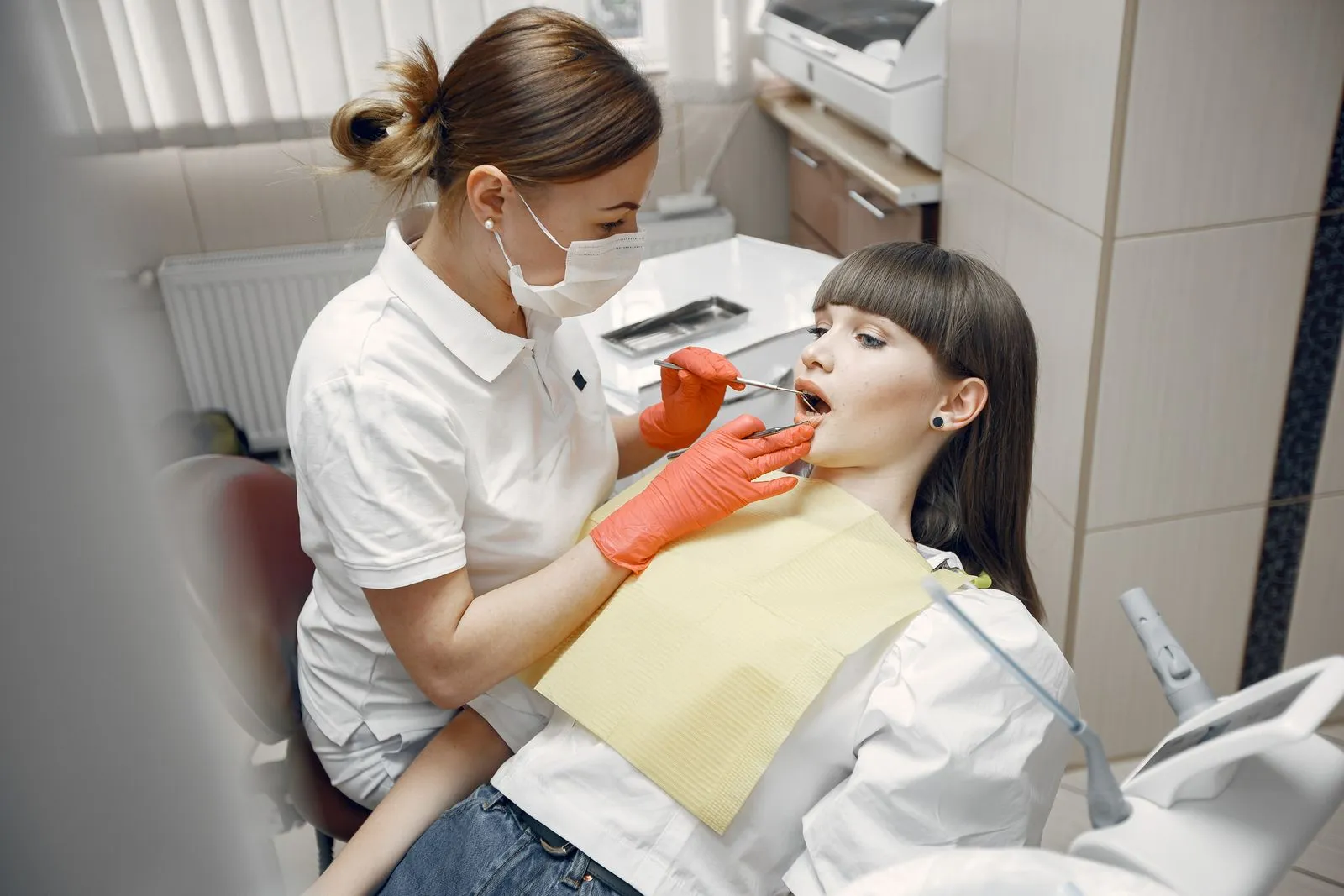
A child’s first dental visit is an opportunity to check early development, discuss preventive care, and help your child become familiar with the dental office. The recommended timing is earlier than many parents expect: plan a visit by your child’s first birthday or within six months after the first tooth appears, whichever comes first. Starting early gives the dentist a chance to spot concerns and answer questions before small issues become harder to manage.
Schedule Around the First Tooth
The first visit should happen by age one, or within six months of the first tooth coming in. Baby teeth need care from the start because cavities can develop soon after they appear. An early appointment also gives parents a chance to learn how to clean new teeth and protect them as a child’s diet changes.
If your child is already older than one and has not seen a dentist, schedule a visit soon rather than waiting for all the teeth to come in. Call earlier if you notice tooth spots, swelling, pain, an injury, or difficulty eating. A dentist can advise you on whether your child needs prompt attention.
What Happens at the Visit
The first appointment is usually brief and focused on prevention. The dentist may review your child’s health and dental history, examine the teeth and gums, and check how the bite and jaw are developing. Depending on your child’s age and needs, the dentist may clean the teeth or recommend fluoride treatment. X-rays are not automatically needed for every young child.
You can expect practical guidance on brushing, toothpaste, thumb-sucking, teething, and feeding habits that affect teeth. Bring a list of medicines and questions, such as how to handle bedtime bottles or what to do if a tooth is injured. The dentist can tailor advice to your child rather than relying on general tips.
Help Your Child Feel Ready
Choose an appointment time when your child is usually rested and not hungry. Explain the visit in simple, positive terms: the dentist will count and check the teeth. Avoid using words that suggest pain or punishment. A favorite comfort item can help, and many pediatric dental teams let a young child sit on a parent’s lap during the examination.
Keep your own manner calm and matter-of-fact. If your child is shy or unsettled, tell the dental team before the visit so they can adjust their approach. The first appointment is also a chance for you to learn how the office supports young children and to discuss any worries without rushing.
Build a Preventive Routine
After the first visit, ask the dentist when your child should return. The timing depends on oral health, cavity risk, and the care your child needs; follow the schedule recommended for your child rather than assuming every child has the same interval. Keep regular checkups even when baby teeth look healthy, since early problems can be difficult to see at home.
At home, brush twice a day with a small, age-appropriate amount of fluoride toothpaste, and help your child brush until they can do it thoroughly on their own. Ask the dentist to show you the right amount and technique. Limiting frequent sugary drinks and snacks also helps reduce the time teeth are exposed to sugars.
Plan your child’s first dental visit by the first birthday or within six months of the first tooth appearing. A calm, early checkup supports healthy habits and gives you a place to ask questions about your child’s teeth. Contact a children’s dentist to arrange an appointment and discuss what your child may need.